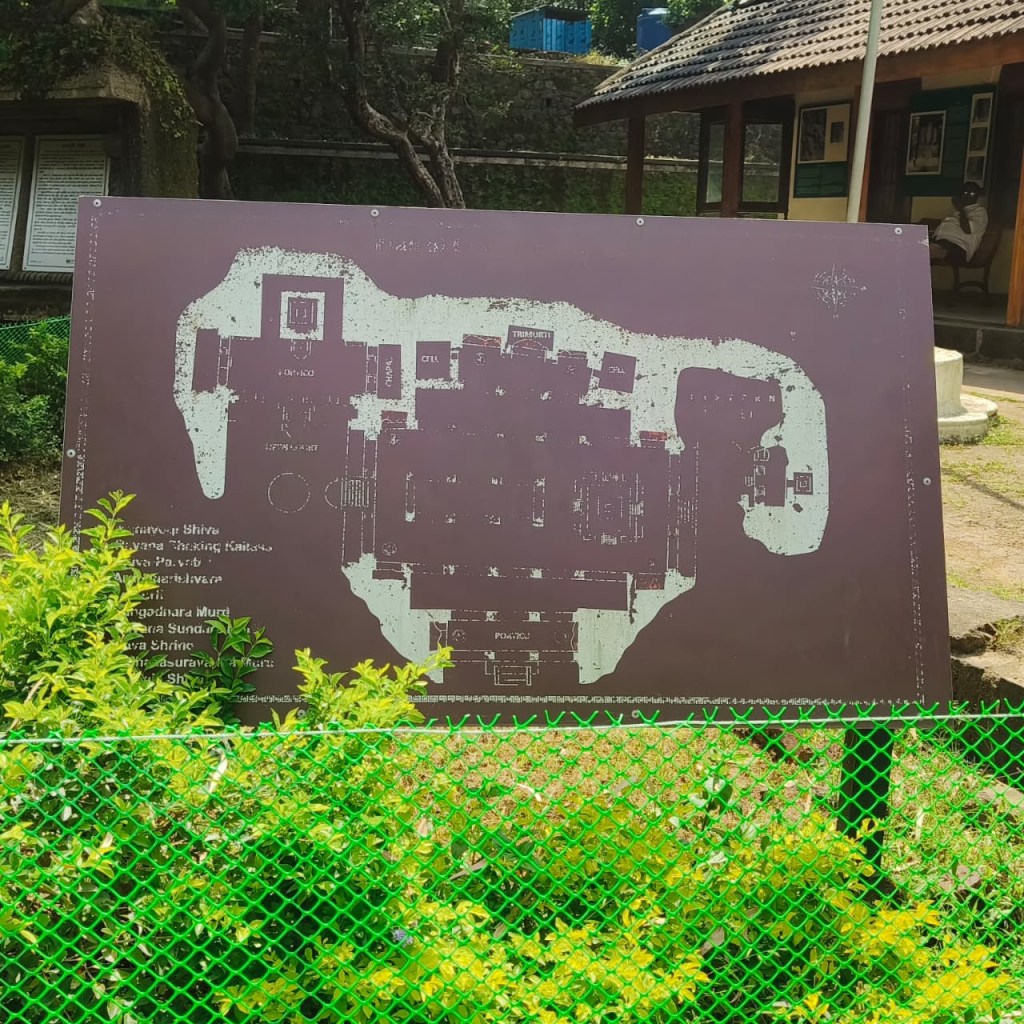
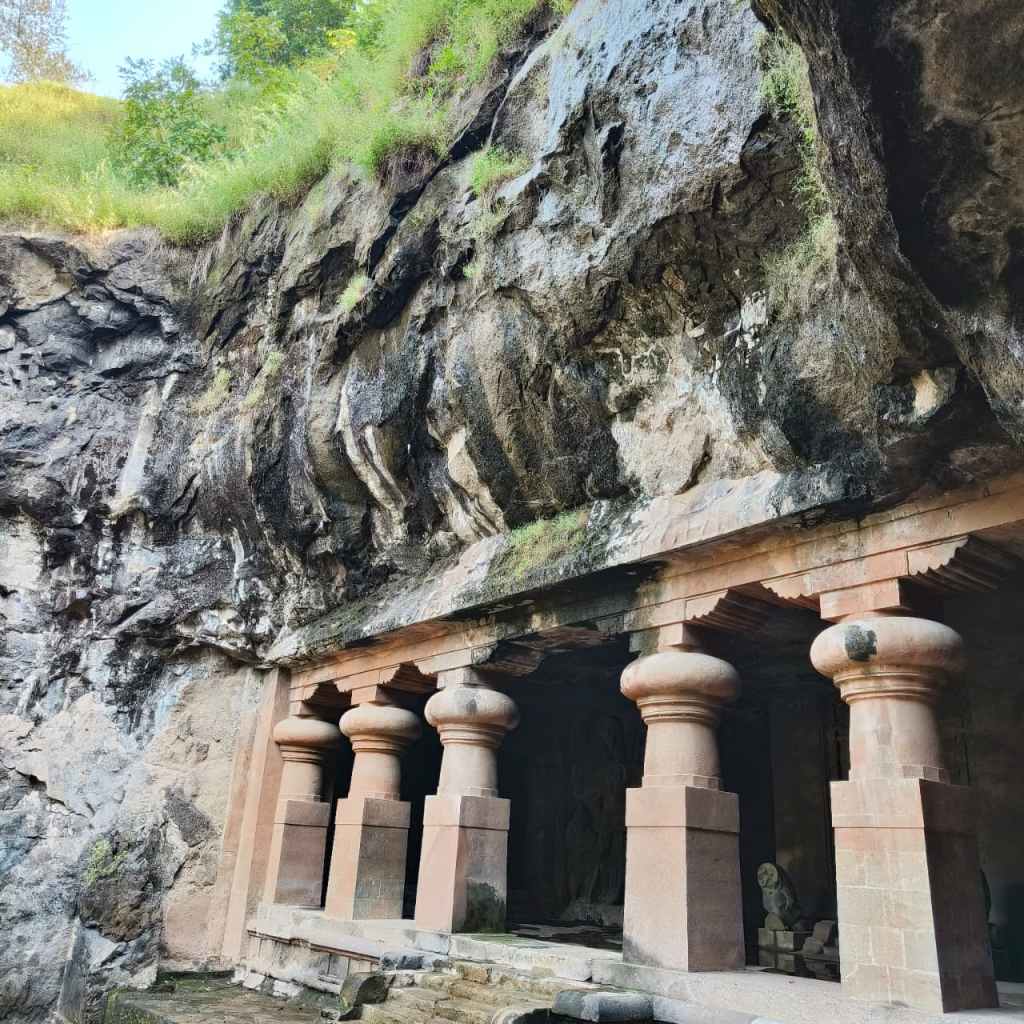
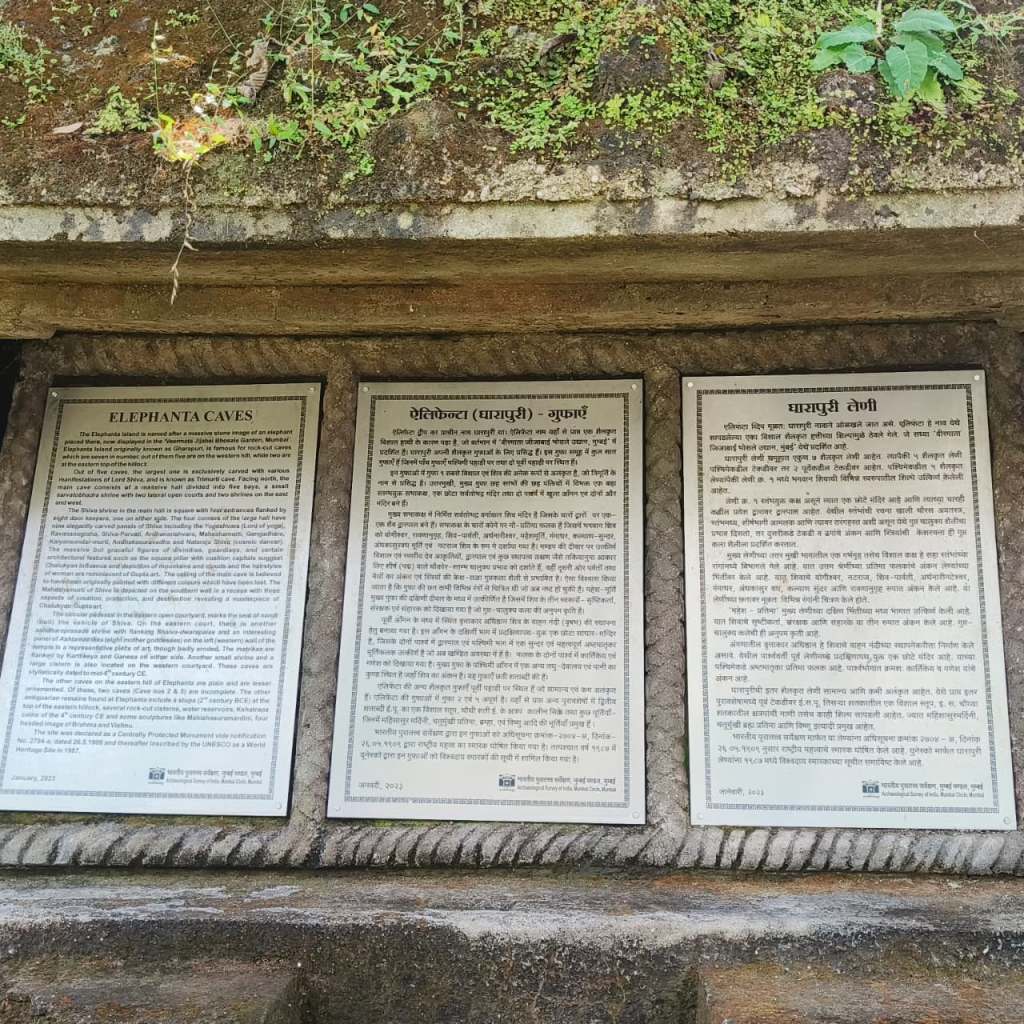
Nestled on a small island amidst Mumbai Harbour, the ancient cave complex of Gharapuri — more popularly known as the Elephanta Caves — offers a fascinating blend of nature, mythology and master‑class rock‑cut architecture. It’s a short trip with an eye for art and history and without fail this place delivers.
– Knowing the Backstory
- The site dates from about the mid‑5th to 6th centuries AD, though the island itself had earlier occupation (even Buddhist stupas from 2nd century BC).
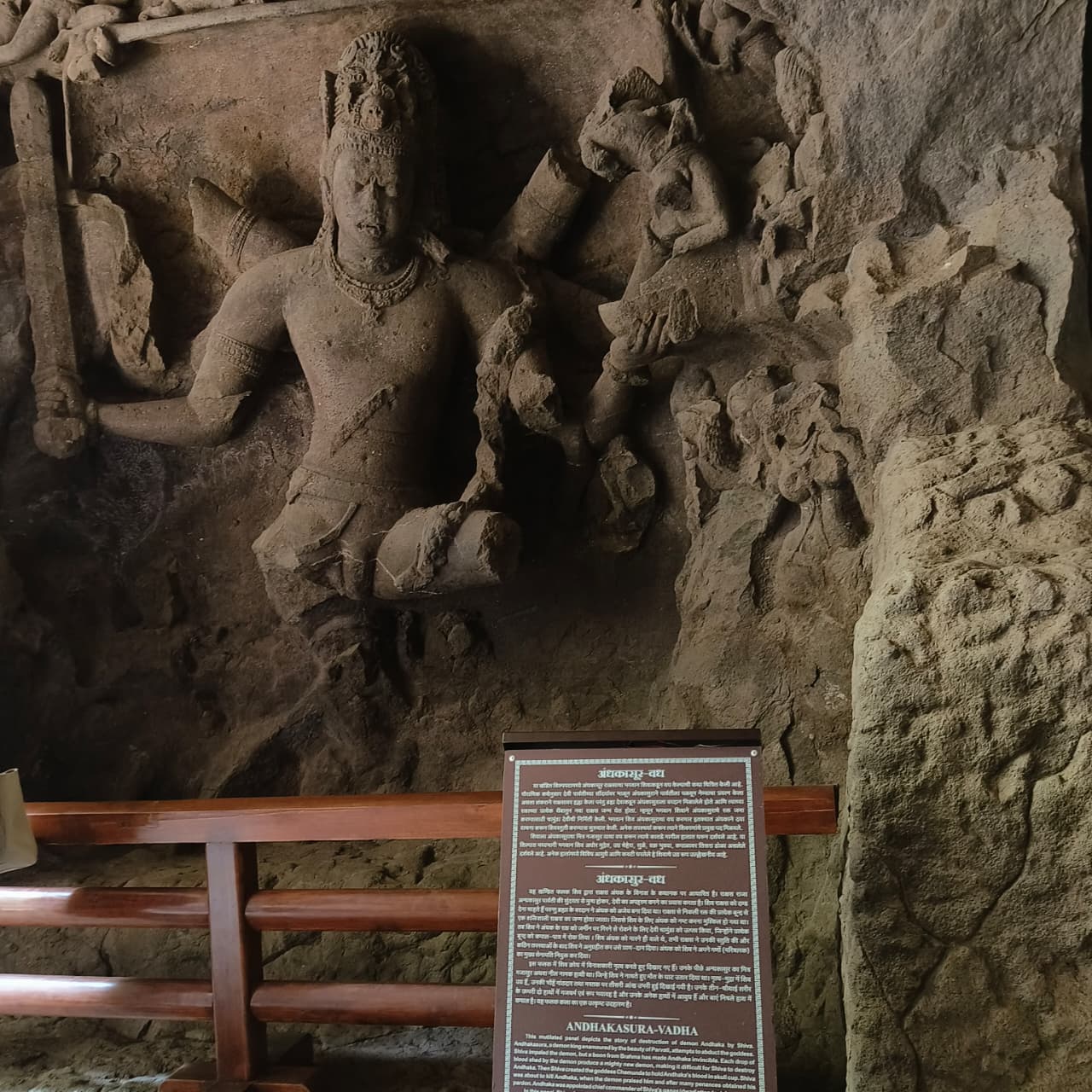
- The caves reflect the artistic exuberance of the time — not just architecture, but narrative art, sculptural depth and mythic iconography all in one.
- Later period, saw damage (including during the Portuguese era) and conservation efforts established in modern times.
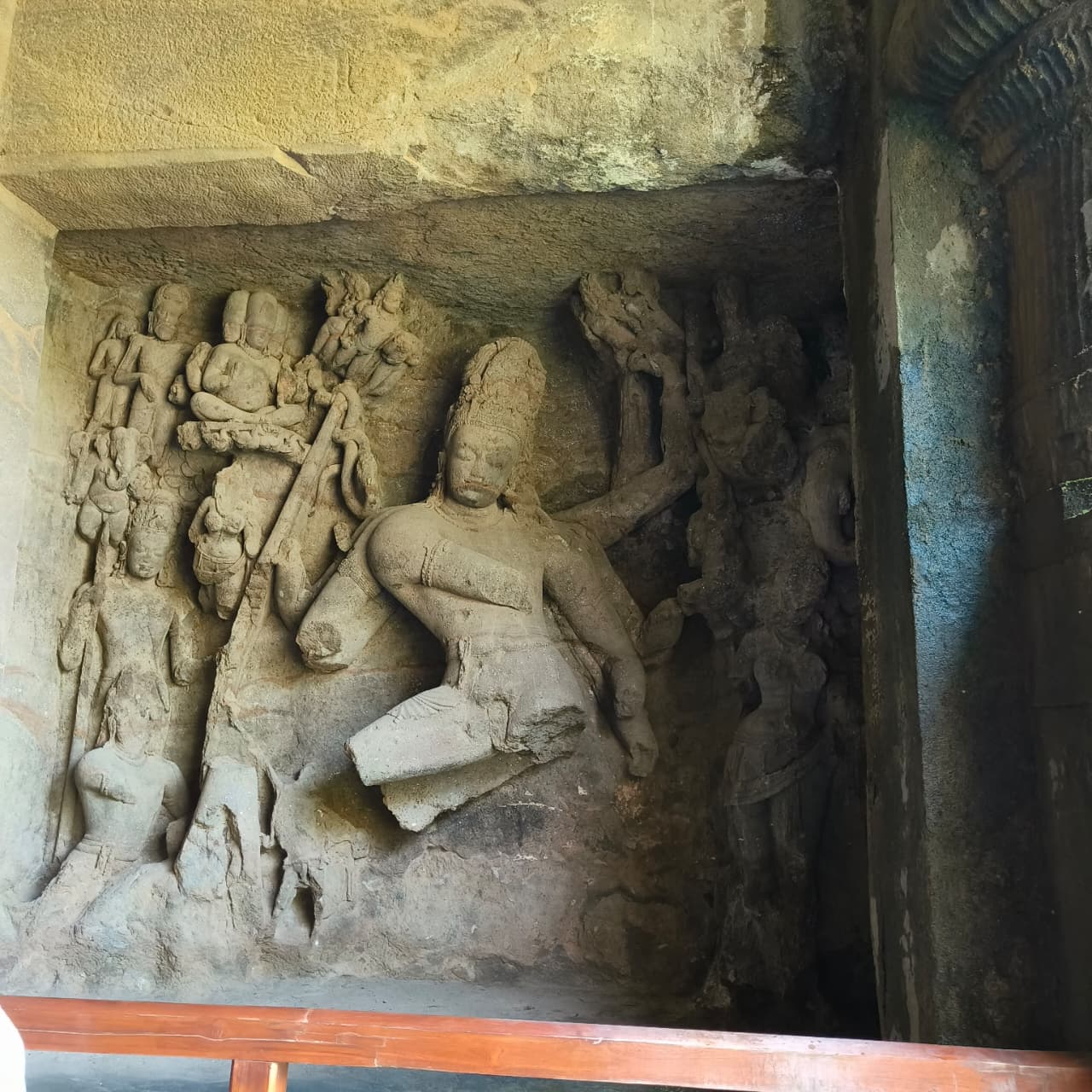
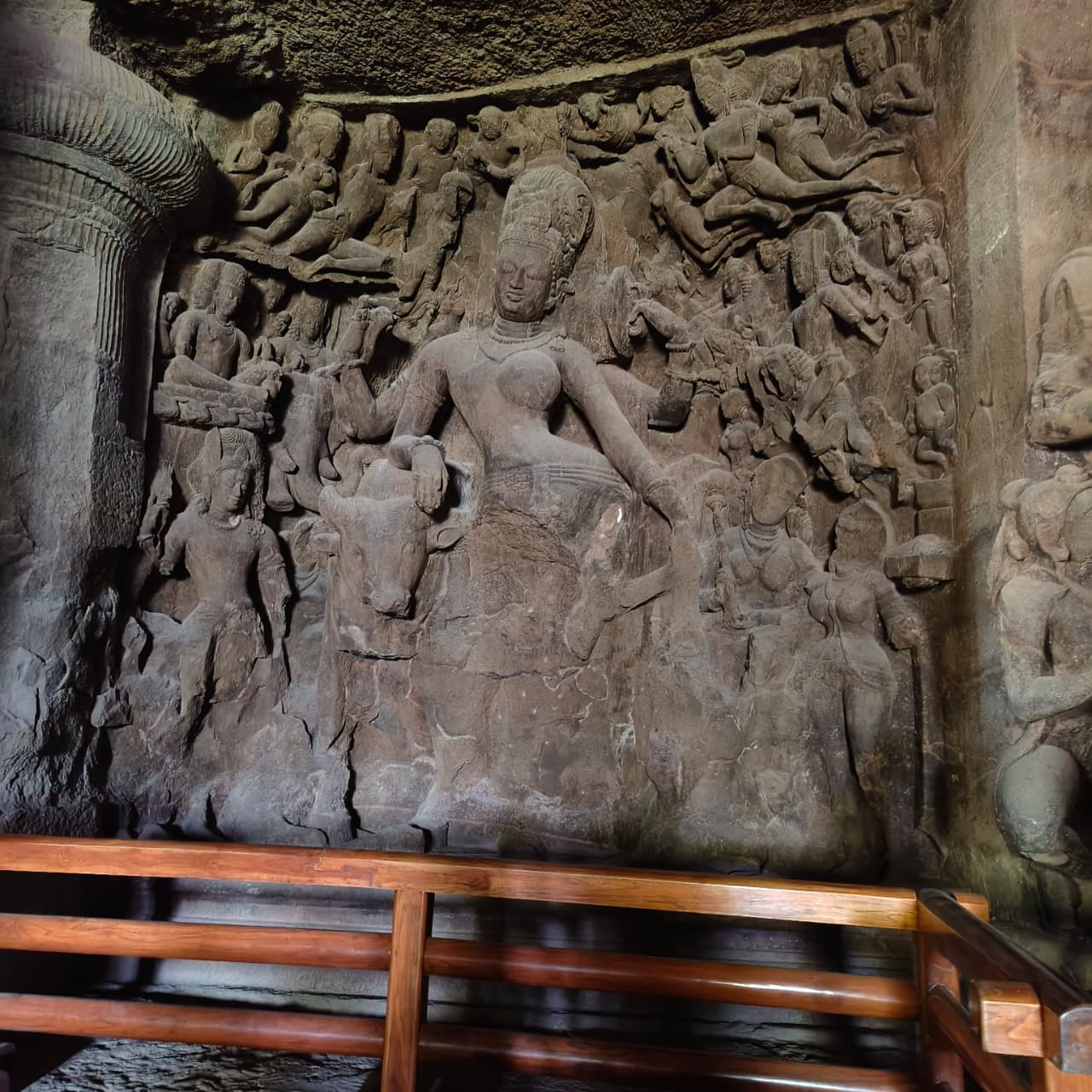
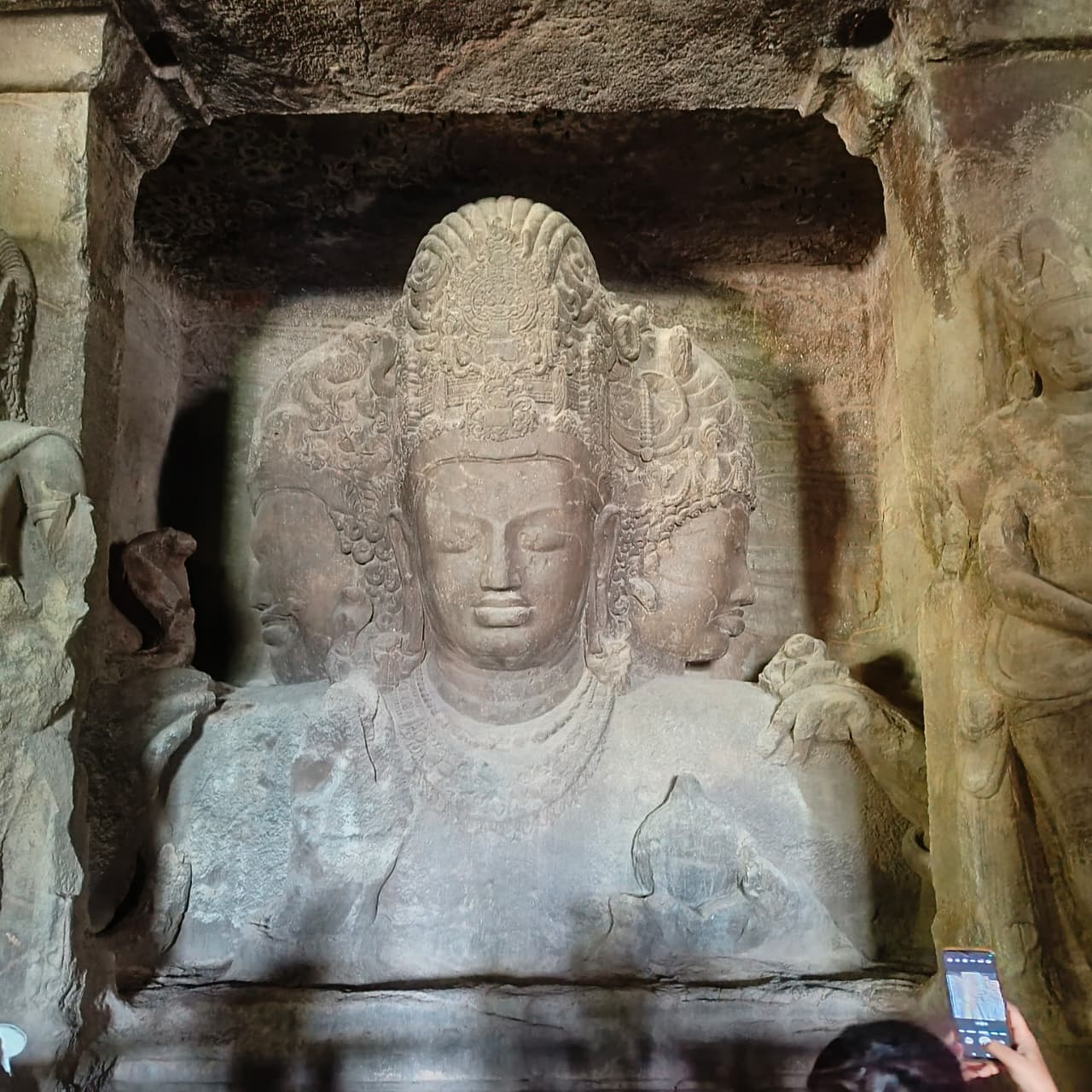
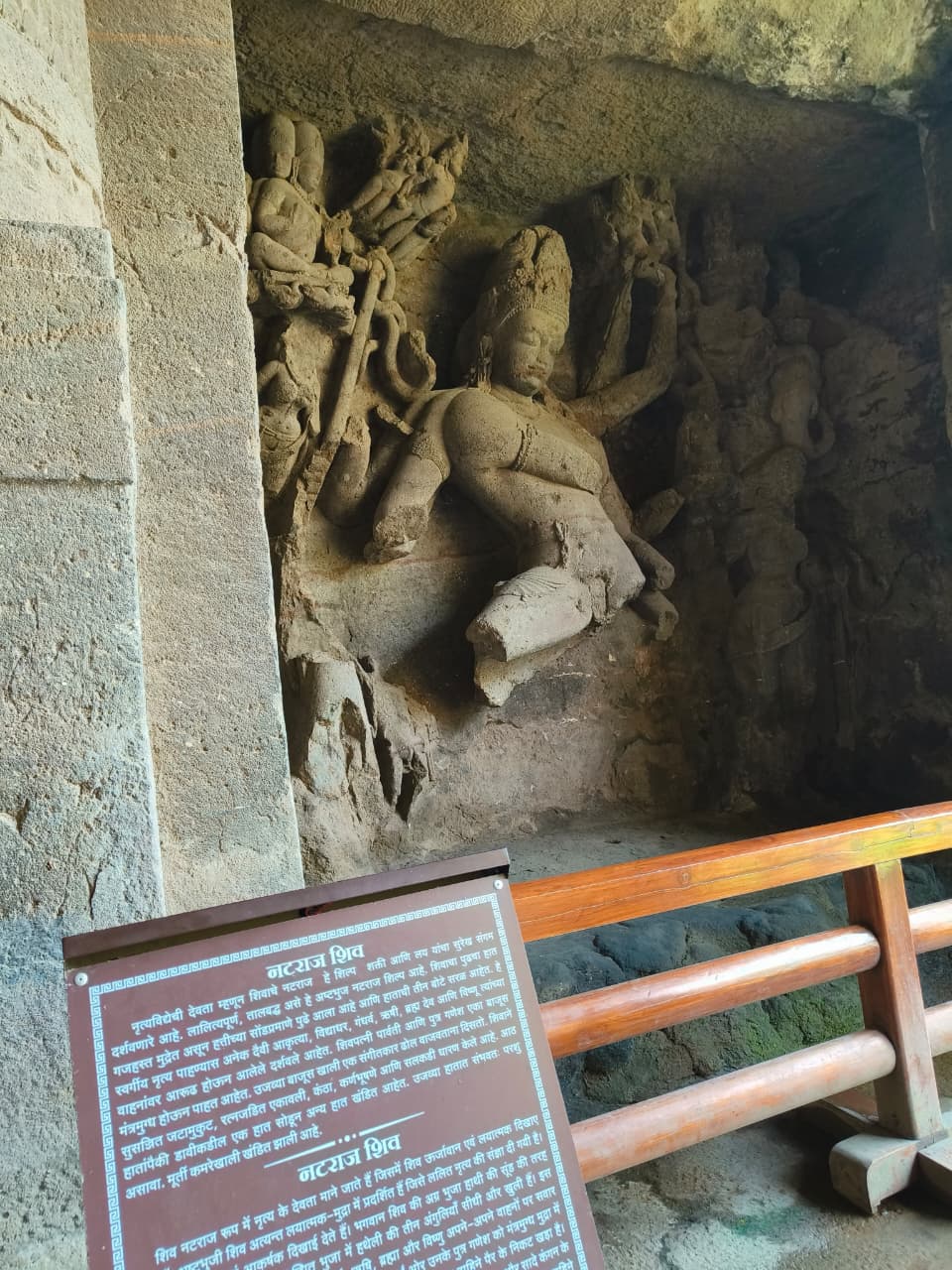
-Getting There & First Impressions
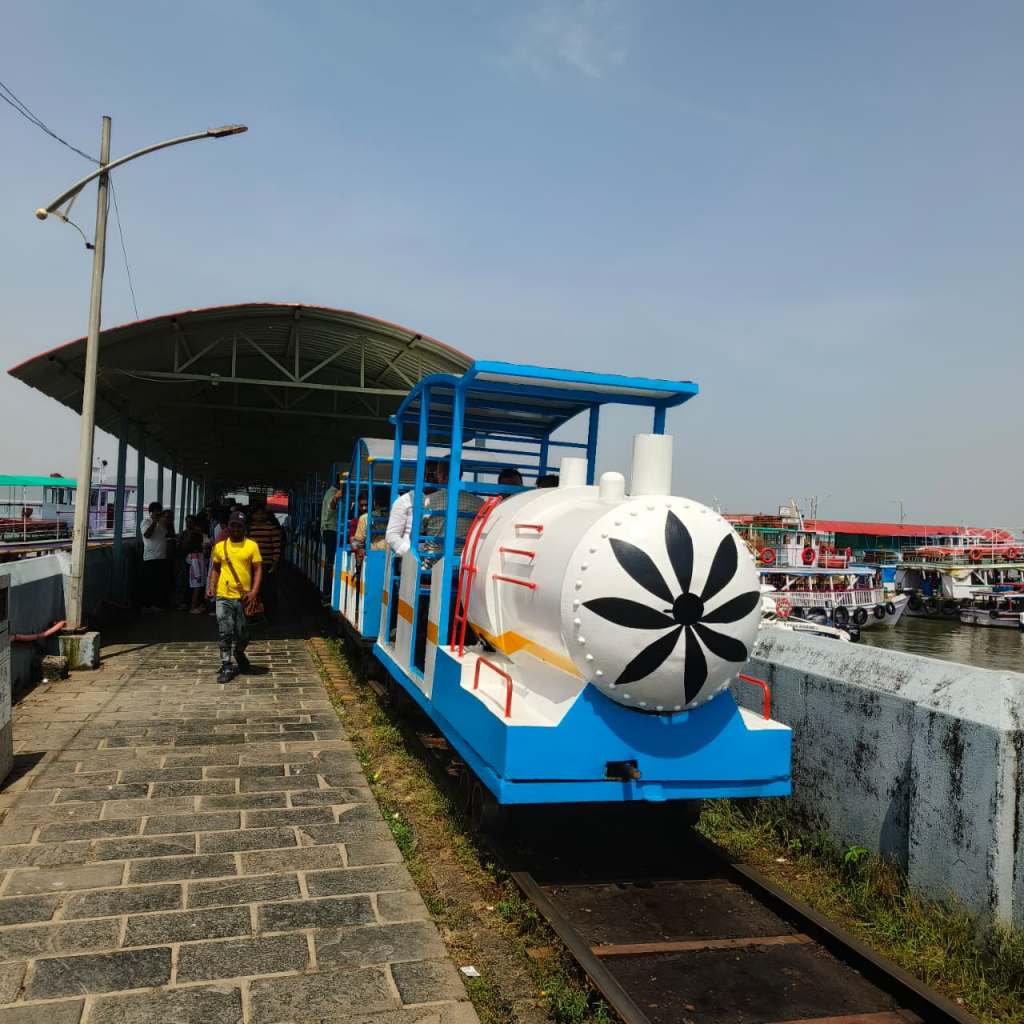
The island lies off the coast of Mumbai (about 10 km from the Gateway of India). You’ll take a ferry from the city, land at the small jetty and climb up a flight of steps or walk a gentle path through greenery to reach the caves. The hilltop vantage also gives you sweeping views of the Arabian Sea and the Mumbai skyline. (HinduPost) As you approach, you’ll notice the was‑once‑giant stone elephant that gave the island its “Elephanta” name (originally the local name is “Gharapuri” meaning “town of caves”).
 TrendyBites
Leave a comment